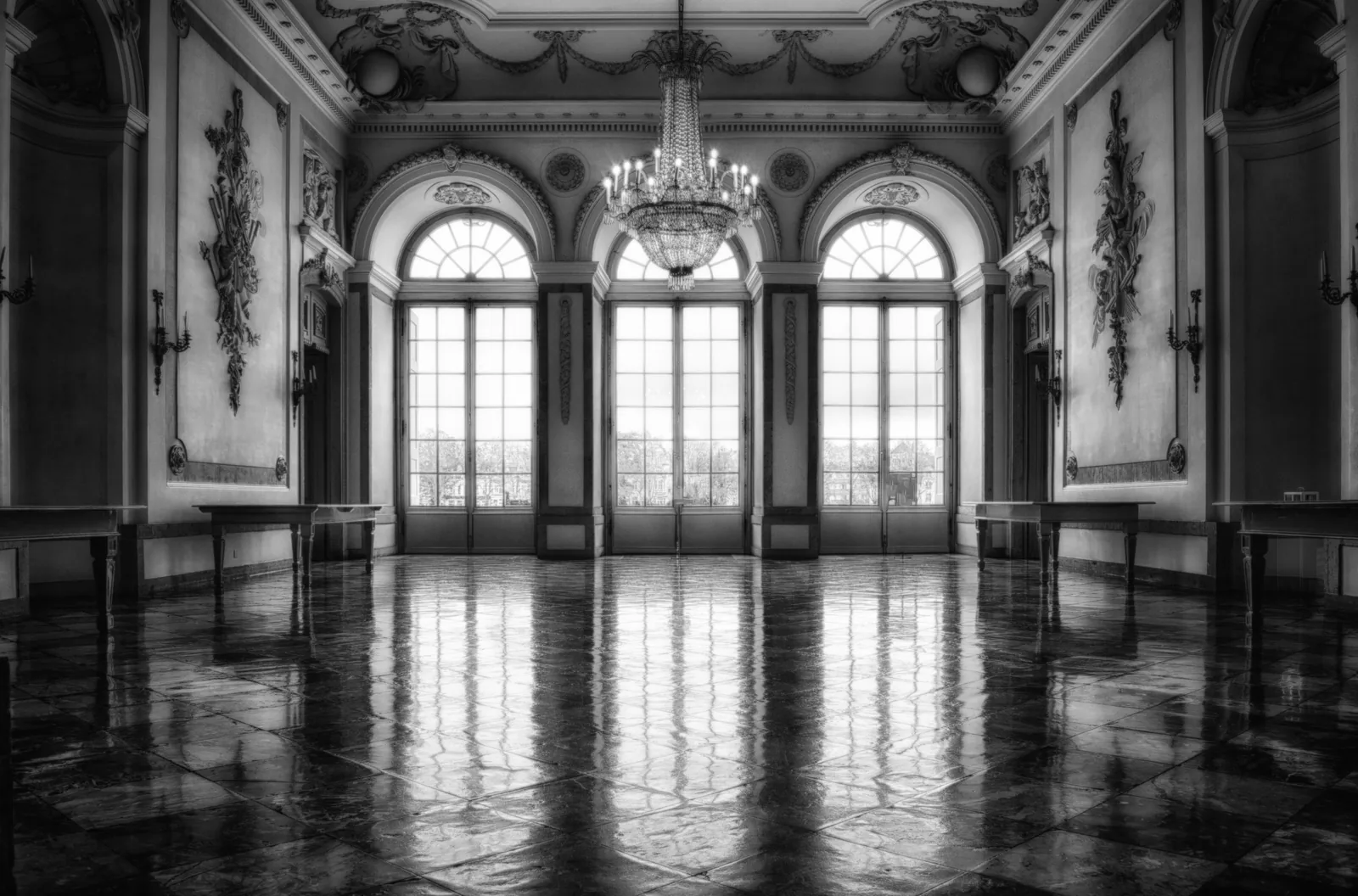
Architectural Phenomenology: Pérez-Gómez, Pallasmaa and Zumthor
Explore architectural phenomenology through Pérez-Gómez, Pallasmaa and Zumthor, with introductions to key ideas, books and questions about l
Read more
Neuroarchitecture draws on a small, interdisciplinary group of researchers rather than a single school. The people and organizations below represent some of the most cited voices connecting architecture with perception, neuroscience and the human sciences - summarized here from their published work and public profiles, not from any affiliation with this site. In line with the subject matter, this page covers ideas and publications rather than photographs of the researchers themselves.
Finnish architect and writer Juhani Pallasmaa is best known for The Eyes of the Skin: Architecture and the Senses, first published in 1996. The book argues that architectural culture has leaned too heavily on sight at the expense of the other senses, and that this imbalance has made buildings poorer in spatial and emotional experience. Pallasmaa draws on phenomenology - particularly the work of Heidegger and Merleau-Ponty - to make the case for a more multisensory approach to design. The book has been reissued several times, with later editions adding essays that place it in the context of his wider career (Aalto University).
Alberto Pérez-Gómez has taught architectural history and theory at McGill University since 1987, where he founded the History and Theory graduate programs and held the Bronfman Chair; he became Emeritus Professor in 2021. His 1983 book Architecture and the Crisis of Modern Science won the Hitchcock Award the following year and is considered a foundational text in architectural phenomenology. His more recent book Attunement connects phenomenology with enactive cognitive science, treating architecture as something closer to atmosphere than to image (McGill University).
Sergei Gepshtein is a vision scientist at the Salk Institute for Biological Studies, where he directs the Collaboratory for Adaptive Sensory Technologies, founded in 2015. His best-known architecture-related project is a collaboration with production designer Alex McDowell (USC) and architect Greg Lynn (UCLA) that used psychophysical experiments - participants viewing patterns on large moving surfaces - to measure how people perceive space at architectural scale. Gepshtein was the inaugural recipient of the Harold Hay Research Award from the Academy of Neuroscience for Architecture, given in 2013 to this project (Gepshtein's POLI.design faculty bio).
ANFA is the organization most architecture-and-neuroscience researchers eventually intersect with. It took shape in 2002 as a legacy project tied to the American Institute of Architects' 2003 national convention in San Diego, where neuroscientist Fred Gage gave the keynote; it was certified as a 501(c)(3) nonprofit in February 2003. Architect John Paul Eberhard became its founding president, and the organization received $100,000 through the AIA College of Fellows Latrobe Prize that same year. Eberhard died in 2020 (anfarch.org). ANFA now runs a biennial conference and funds research grants connecting neuroscience labs with architecture schools; see the organizations and networks page for more on ANFA and comparable groups.
Several of the ideas above come from theory and practice rather than controlled experiments - Pallasmaa and Pérez-Gómez write primarily as architects and philosophers, not as experimental scientists, and their arguments should be read as interpretive frameworks rather than as findings that have been statistically tested. Gepshtein's work is closer to classical psychophysics and is easier to evaluate by its methods and sample sizes. The resources library lists further books and papers for readers who want to go past the summaries on this page.
Explore architectural phenomenology through Pérez-Gómez, Pallasmaa and Zumthor, with introductions to key ideas, books and questions about l
Read more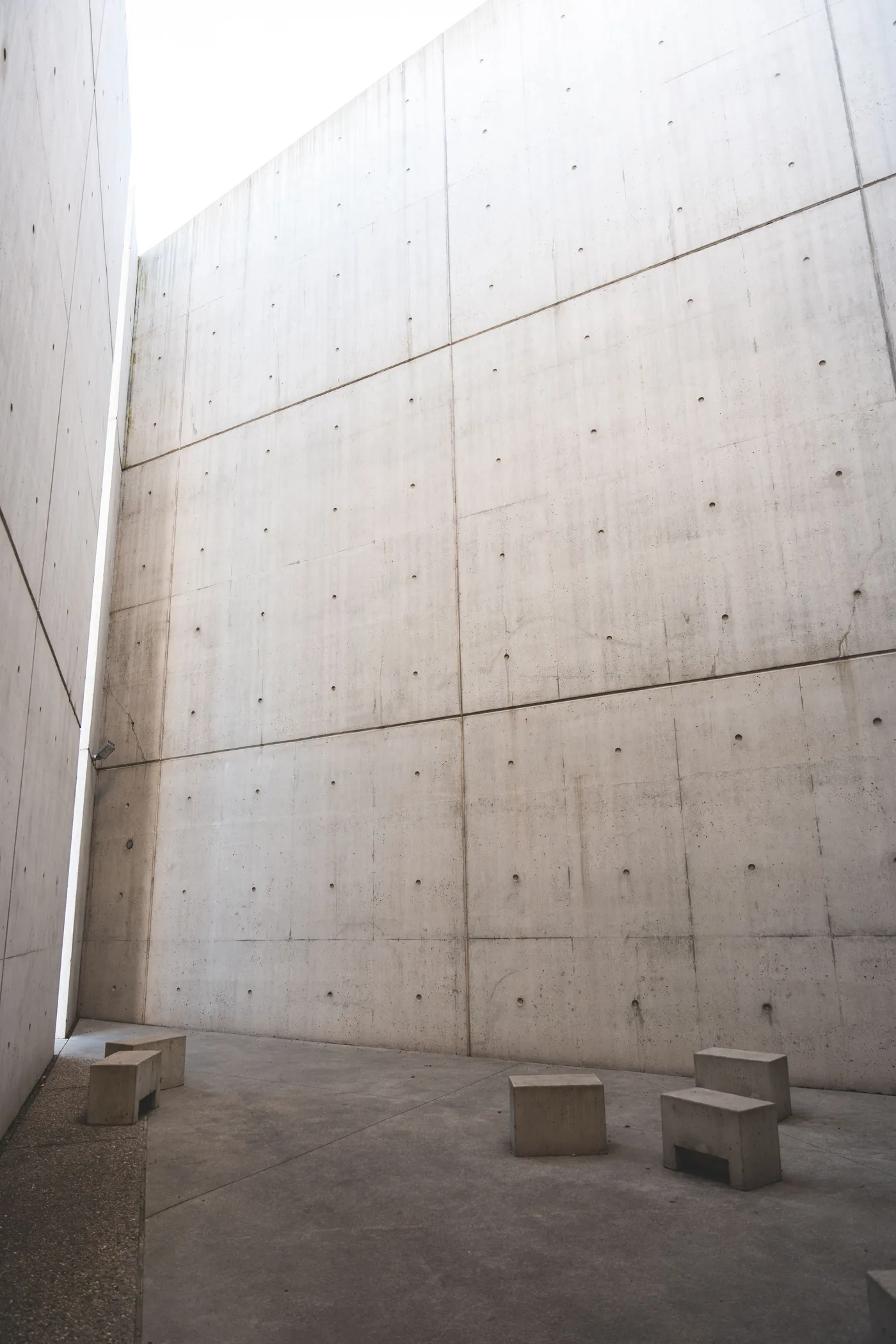
Explore Carlo Scarpa’s architecture through materials, light and tactile detail, with prompts for understanding how his buildings shape spat
Read more
Find annotated resources on neuroarchitecture, including books, research papers, podcasts and laboratories, with pointers for exploring the
Read more