
What Is Neuroarchitecture? Foundations, Examples and Criticism
Discover the foundations of neuroarchitecture, its history and examples, with a critical look at research methods and the limits of translat

This library collects the books, papers and organizations referenced across Shifting Boundaries, grouped by type, so readers can go straight to a primary source instead of relying on summaries. Annotations note what each source actually covers and, where relevant, its limitations.
A recurring problem in popular writing about neuroarchitecture is the overgeneralized claim - a single lab study on, say, ceiling height and mood, reported as if it proved a general rule about all buildings. Before treating a claim as settled:
This approach is applied throughout the site, including in evidence-based design in healthcare and schools and biophilic design and wellbeing, both of which look specifically at where the evidence is strong and where it is thinner than popular coverage suggests.
ANFA and university architecture schools periodically publish recorded lectures and conference talks; rather than list specific episodes that may go offline, this page points to organizations and networks as the starting point for finding current recordings directly from the organizing institutions.
Discover the foundations of neuroarchitecture, its history and examples, with a critical look at research methods and the limits of translat

Explore architectural atmosphere through light, materials, sound and spatial form, with context on Zumthor and questions about mood and indi

Explore biophilic design principles and research on wellbeing, with a look at study methods, design examples and the limits of broad benefit
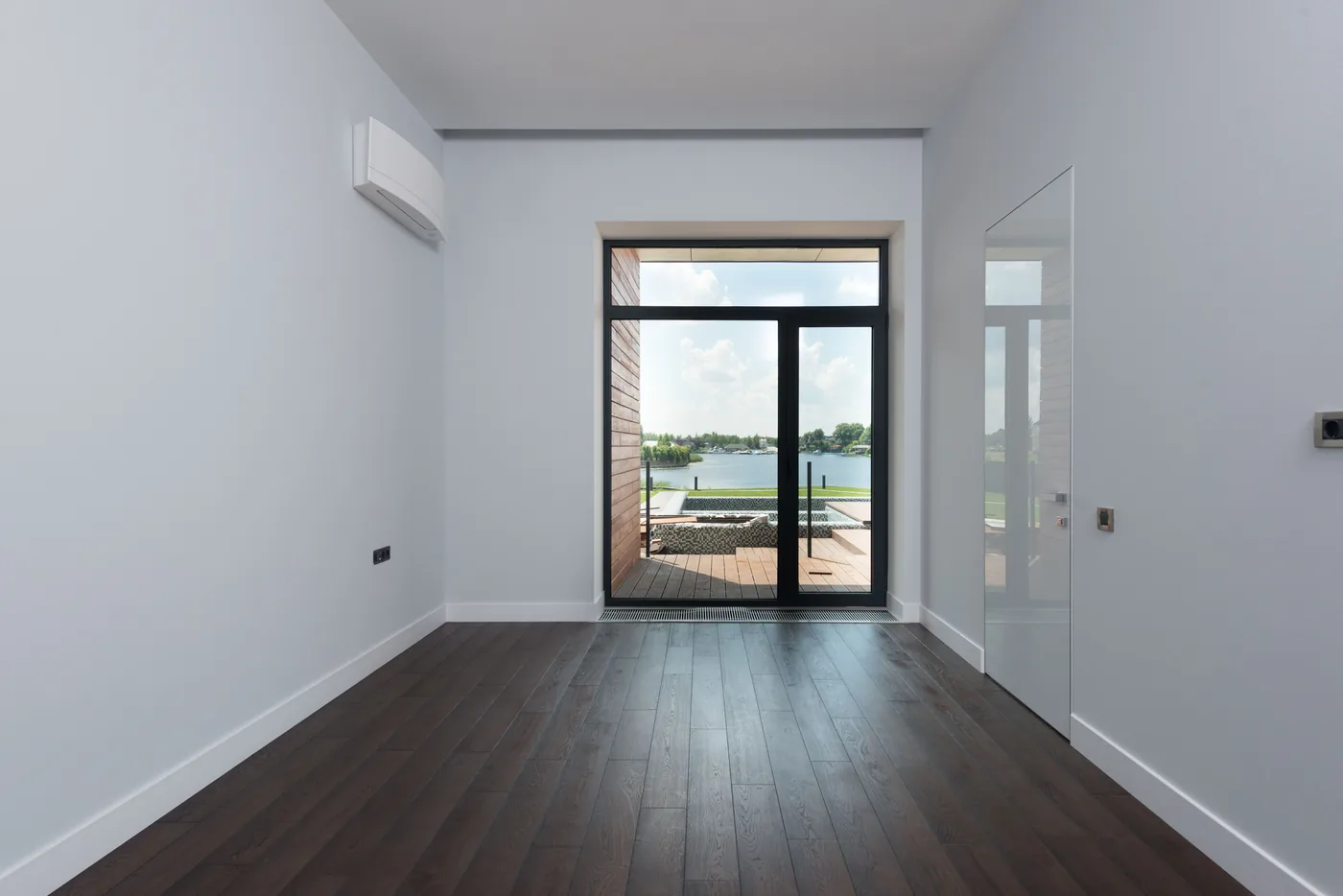
Explore how daylight, shadow and contrast shape architectural perception, with questions about visual comfort, spatial experience and wellbe
Learn about restorative environments and attention restoration theory, with examples from urban space and questions about research, access a
Explore evidence-based design in hospitals and schools, including how research informs decisions and why context and study quality matter wh