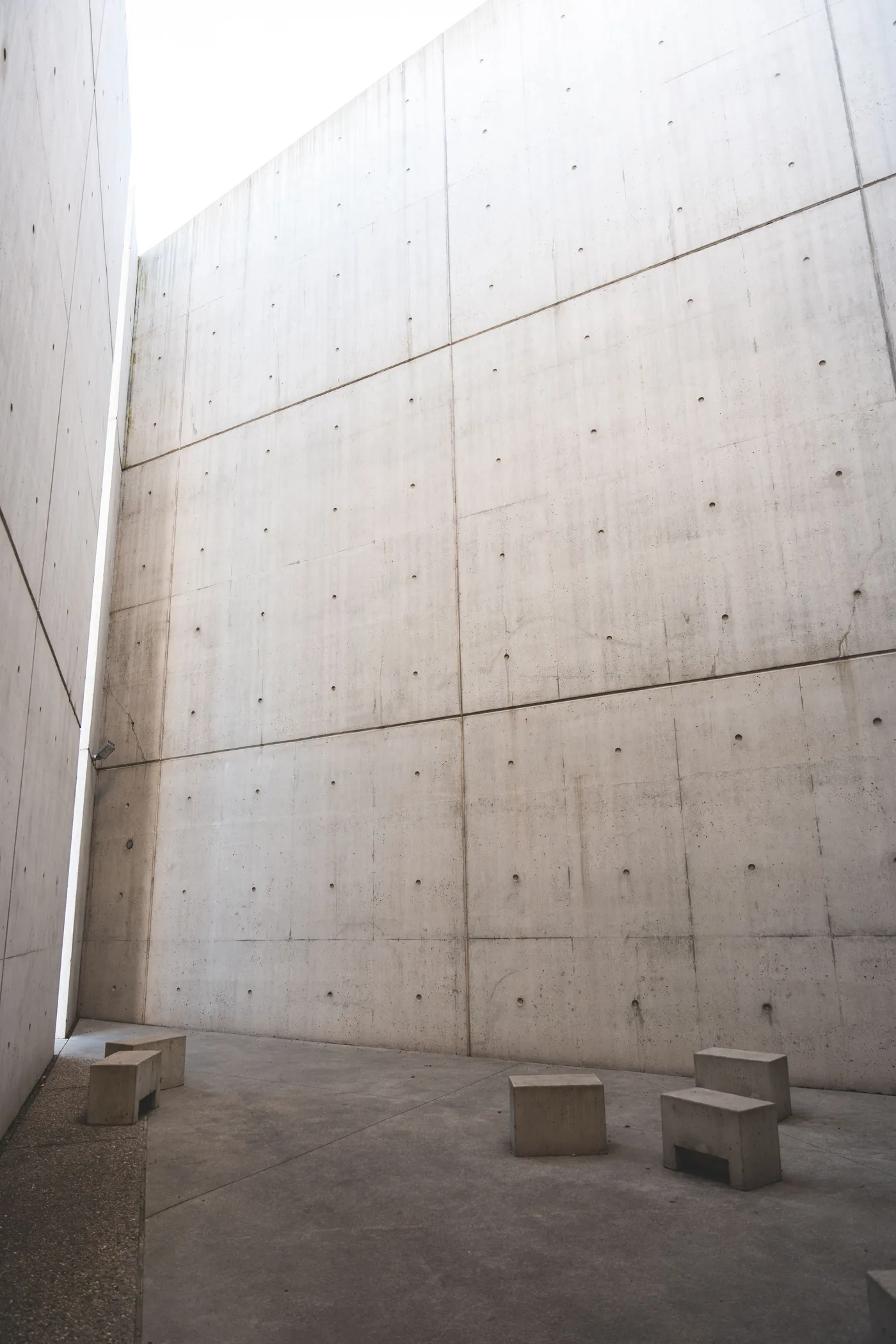
Venice and Umbria for Architects: Scarpa, Ando and Assisi
Explore an architectural route through Venice, the Veneto and Umbria, connecting Carlo Scarpa, Tadao Ando and Assisi through questions of sp
Read moreCourses and short programs in neuroarchitecture tend to combine the same handful of subjects, even when the organizers and locations differ: how people perceive and move through space, how atmosphere and materials shape mood, and how findings from environmental psychology translate (or fail to translate) into design decisions. The pages below walk through each of the four editions this journal has documented in detail, plus a general guide for comparing programs before you apply.
This strand covers how the visual system and the body register scale, enclosure, movement and orientation in built space - the kind of work associated with vision scientists such as Sergei Gepshtein (see faculty and researchers) and with the broader psychophysics tradition. Courses in this area typically combine short lectures with site visits where participants are asked to describe what they notice before being shown the underlying research. One active example of this kind of work is a USC School of Architecture research collaboration that pairs Gepshtein's psychophysics methods with architecture and production design: participants view static and moving visual patterns on large surfaces moved by industrial robots, with the stated goal of mapping how viewing distance and movement speed change the perceived organization of a space (USC School of Architecture, "World Building" project page, worldbuilding.usc.edu). It is a research project rather than a published finding, and it illustrates how this strand of coursework draws on live laboratory work rather than settled textbook conclusions.
Atmosphere - the felt, often hard-to-name quality of a space - is a recurring theme in architectural phenomenology, discussed at length by theorists such as Alberto Pérez-Gómez and associated with architects like Peter Zumthor.
Several editions paired architecture with its immediate landscape: Guadalajara's volcanic stone and water gardens for the Mexico edition, the lagoon and terraferma for the Italy edition. This strand asks how buildings are read in relation to climate, topography and the surrounding city rather than in isolation.
If you are looking at a current course rather than reading about past editions, the how to choose and apply guide covers practical questions - who is teaching, what the portfolio requirements are, and how to check whether a program's claims about "evidence-based" content are backed by named sources.
Explore an architectural route through Venice, the Veneto and Umbria, connecting Carlo Scarpa, Tadao Ando and Assisi through questions of sp
Read more
Explore Guadalajara and Jalisco through an architectural lens, with context on Luis Barragán and ideas for studying local buildings, spaces
Read more
Explore Nordic architecture through Alvar Aalto, daylight and restorative settings, with questions about how buildings relate to comfort and
Read more
Compare architecture and neuroscience courses, with questions about teaching, portfolios, scholarships and application requirements for stud
Read more