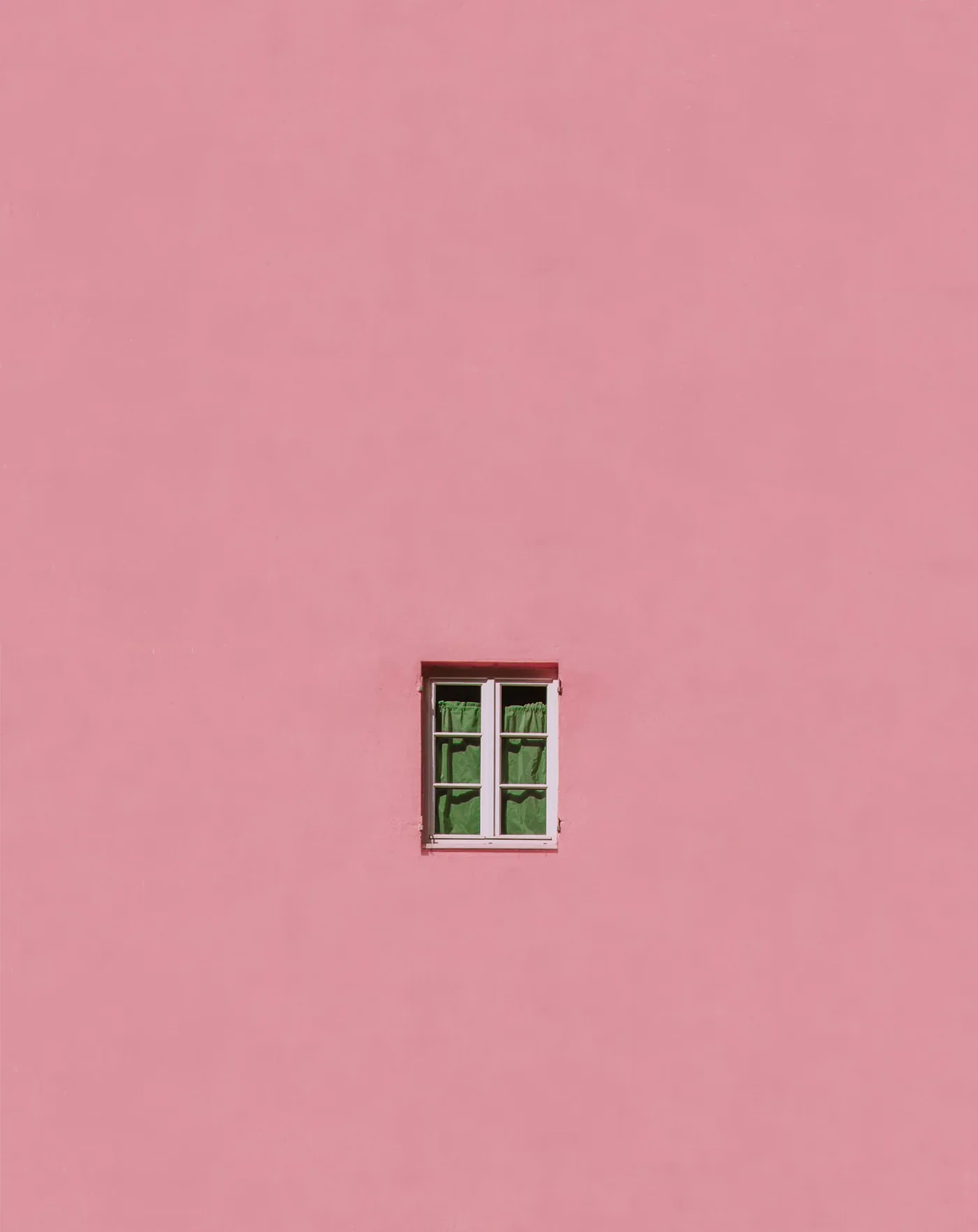
"Emotional architecture" is the term most associated with the long working partnership between Luis Barragán and the German-Mexican sculptor Mathias Goeritz. This page looks at where the idea came from, what it actually built, and how color functions as its main tool.
The manifesto
Goeritz, who was not trained as an architect, first set out the idea of emotional architecture around the opening of the Museo Experimental El Eco in Mexico City, which he designed in 1952-53. Sources differ on the exact date of the written manifesto - it is variously placed at El Eco's 1953 pre-inauguration and in its 1954 publication in the art magazine Zero - but the core claim is consistent: architecture should aim at provoking a real emotional response in the people who use and view it, rather than being judged mainly on function.
Barragán and Goeritz working together
Barragán and Goeritz collaborated over a long period, sometimes cited as around eighteen years. Their best-documented joint project is the Torres de Satélite (1957-58), five reinforced-concrete prisms of different heights (between roughly 37 and 57 meters) and colors, built as a landmark entrance to the Ciudad Satélite housing development led by urban planner Mario Pani. The towers are often read as architecture functioning almost as sculpture: they mark a place and provoke a reaction without housing any program at all.
Color as the working method
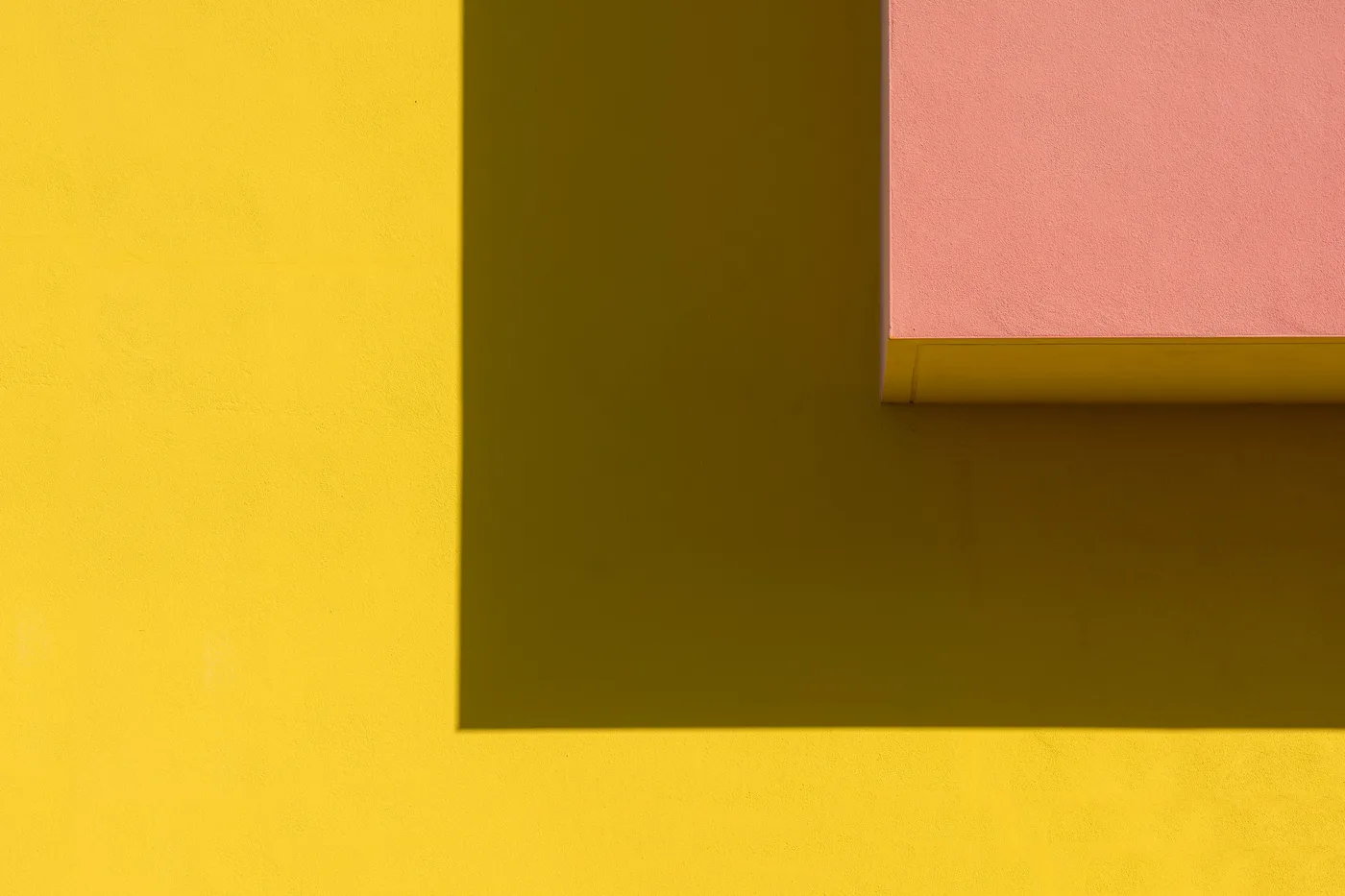
In Barragán's own houses, color plays a similar role on a domestic scale. Casa Gilardí (1975-77) in Mexico City is a frequently cited late example: purple, pink and white walls surround a courtyard jacaranda tree, while a narrow, yellow-painted corridor floods the approach to an indoor pool with colored light. Critics describe the palette as drawn from the paintings of Jesús "Chucho" Reyes Ferreira, a friend of Barragán's. The consistent idea across these projects is that color is structural to the design, not a finish applied afterward.
Reading "emotional" carefully
It is worth being precise about what "emotional architecture" does and does not claim. It is a design intention and a critical label, not a measured psychological effect - there is no controlled study behind the term establishing that specific colors produce specific emotions in visitors, as distinct from a research angle that looks at color and mood directly.
El Eco's life after the manifesto
Goeritz was commissioned to design the building, built in 1953, by businessman Daniel Mont, who sponsored the project (El Eco museum, "History," eleco.unam.mx). The building later passed through other uses until Mexico's National Autonomous University (UNAM) bought and restored it in 2004, reopening it as an experimental art space in 2005 (El Eco museum, "History," eleco.unam.mx). In February 2026 the museum marked the 20th anniversary of that reopening with a new exhibition and performance (The Art Newspaper, "Museo Experimental El Eco marks 20 years since reopening," 5 February 2026) - a reminder that "emotional architecture" as a built idea has had a longer and more complicated life than the 1950s manifesto alone suggests.