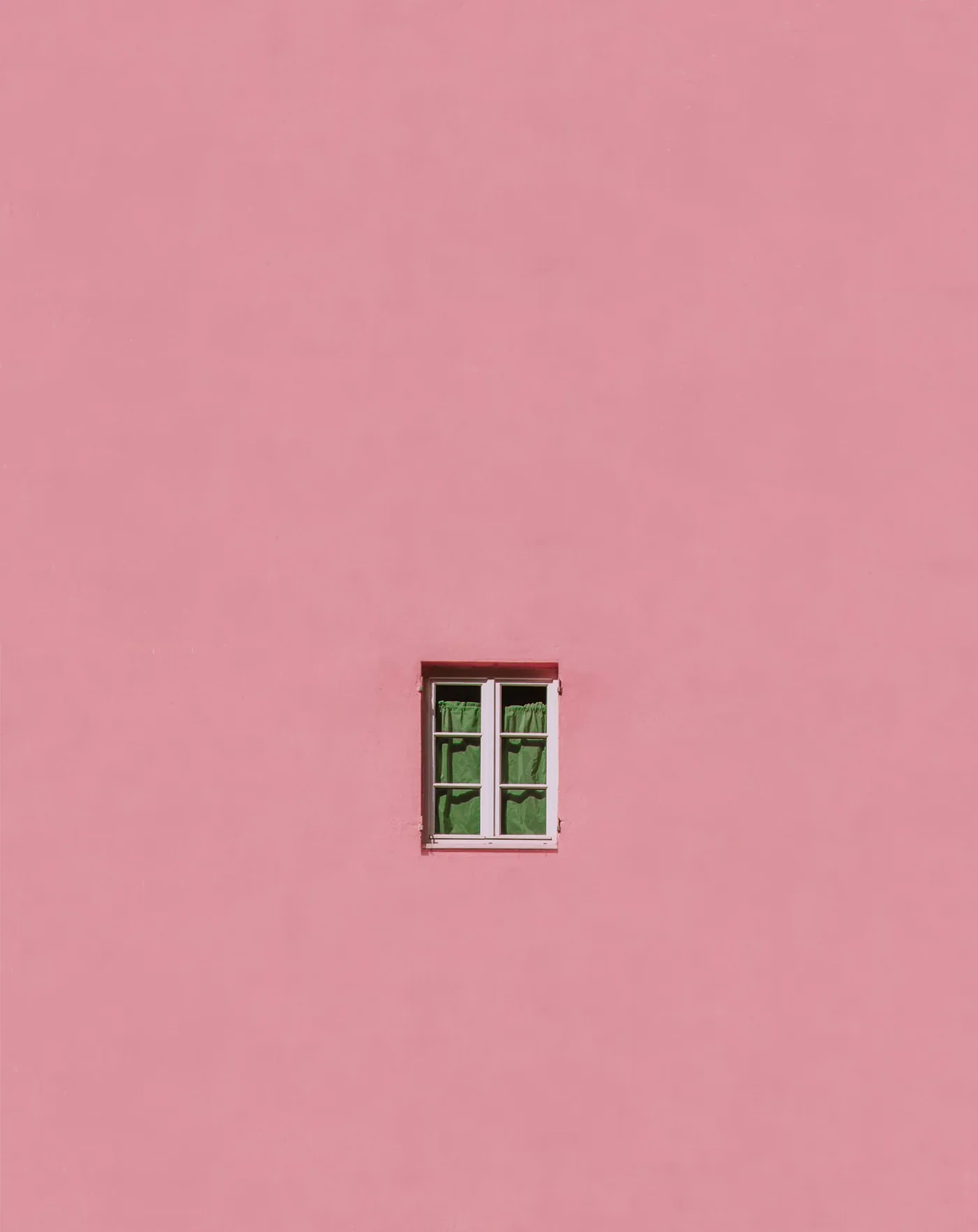
Guadalajara and the surrounding state of Jalisco are where Luis Barragán, Mexico's best-known architect, was born and trained before moving his practice to Mexico City. The 2023 Mexico edition used Guadalajara as a base for studying Barragán's early influences and the broader regional architecture of Jalisco - volcanic stone, courtyard houses, and the colonial fabric of the city's historic center.
Barragán's Jalisco roots
Before Barragán became associated with Mexico City (where his best-known house and studio, completed in 1947-48 in the Tacubaya district, was added to UNESCO's World Heritage List in 2004), he grew up partly on his family's ranch in Jalisco and trained as an engineer in Guadalajara. Critics commonly trace his later vocabulary - high walls, deep colour, framed views of sky and water - back to the haciendas and village architecture of that region, though this is an interpretive reading rather than something Barragán documented in detail himself.
What to look for in Jalisco's architecture
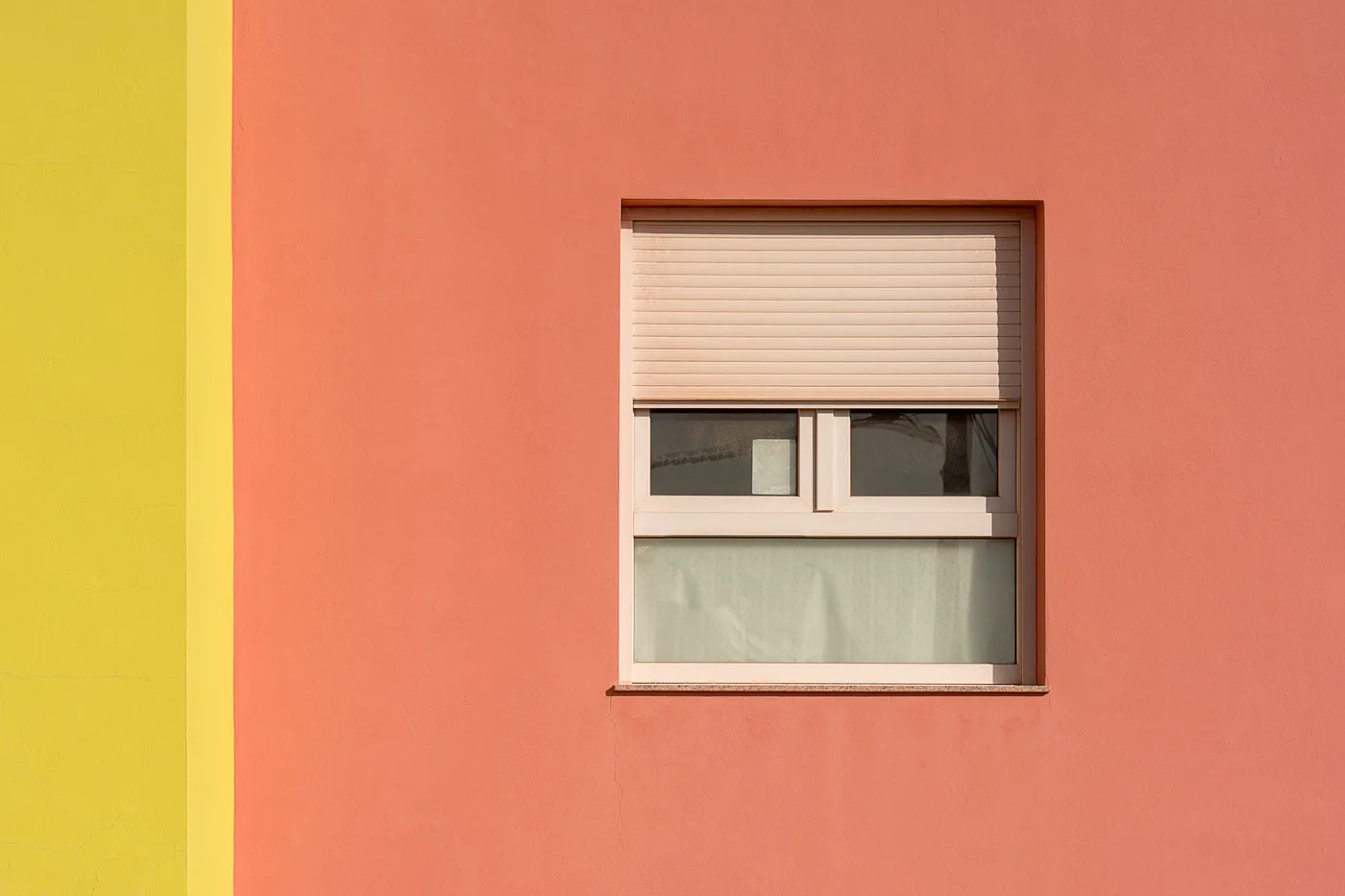
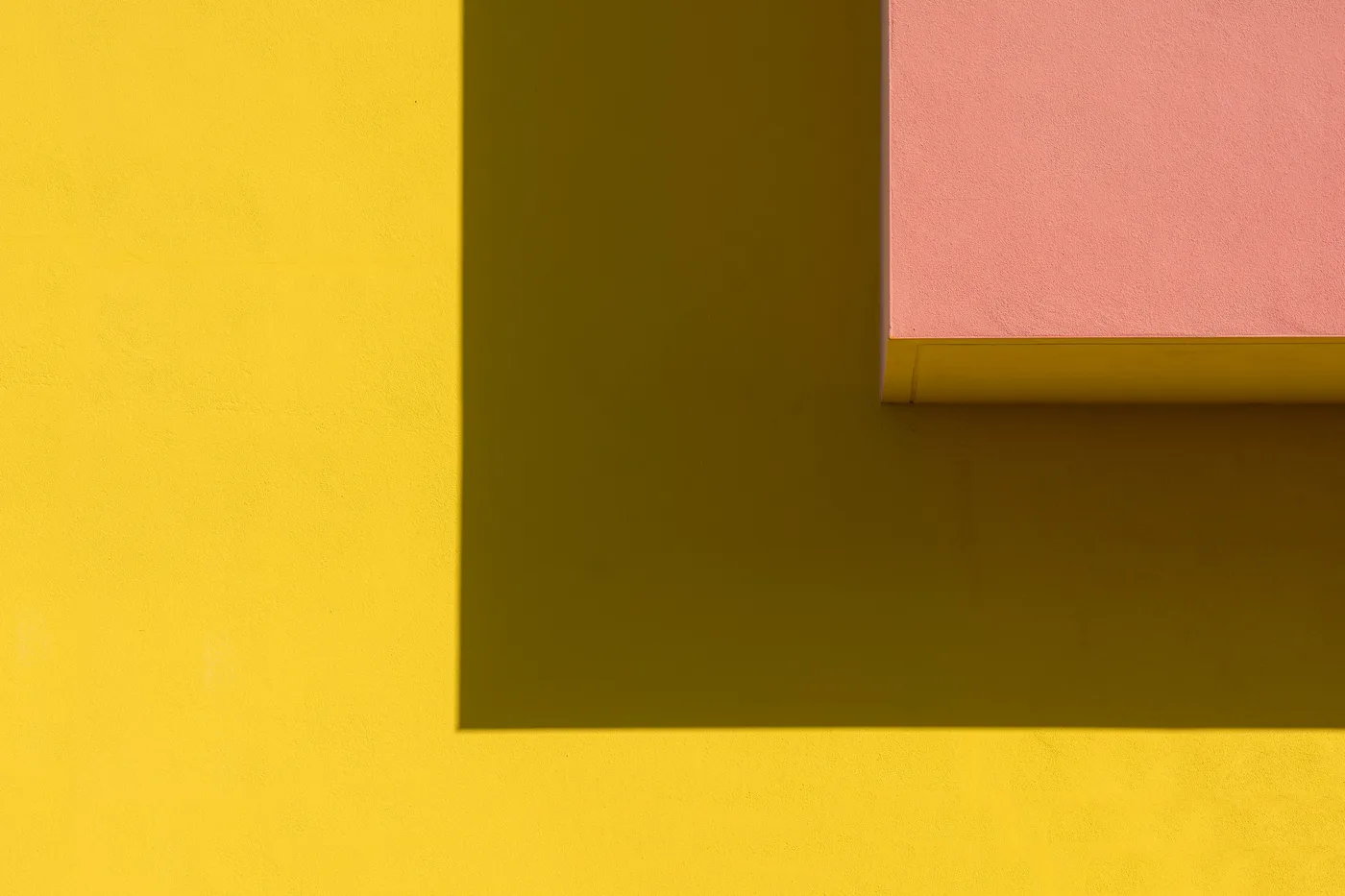
Travelers studying the region's architecture independently of any organized course can look for a few recurring features: thick masonry walls that moderate the region's heat, courtyards used as the organizing space of a house rather than a garden addition, and the use of strong, often saturated colour on otherwise plain wall surfaces - the same device Barragán later refined in Mexico City houses such as Casa Gilardí (1975-77), where purple, pink and yellow walls shape how light moves through an otherwise simple plan.
From Guadalajara to emotional architecture
Barragán's long collaboration with sculptor Mathias Goeritz, who settled in Mexico in the early 1950s, began around this period and produced some of the clearest statements of what critics later called "emotional architecture." See emotional architecture: Barragán, Goeritz and colour for more on that partnership and the manifesto behind it.
Barragán's path to the Pritzker Prize
Barragán's professional training was in engineering, and he earned his degree at age twenty-three; his architectural skills, by contrast, were self-taught rather than the product of formal study (Pritzker Architecture Prize, biography, pritzkerprize.com/1980/bio). The Barragán Foundation names the school as the Escuela Libre de Ingenieros in Guadalajara (Barragán Foundation, "Life," barragan-foundation.org). In 1980 he became the first Mexican architect to receive the Pritzker Architecture Prize, the award most often cited as the clearest outside recognition of the design vocabulary - walls, courtyards, colour and light - that he had been developing since his Jalisco years.
Hospicio Cabañas and Jalisco's wider heritage
Jalisco's architectural interest is not limited to Barragán. The Hospicio Cabañas, a former orphanage and hospital complex in Guadalajara's historic center, was designed by architect Manuel Tolsá and founded in 1810, though construction continued until 1829, six years after the 1823 death of its namesake, Bishop Juan Ruiz de Cabañas. UNESCO added it to the World Heritage List in 1997, citing the building together with the 57 frescoes that muralist José Clemente Orozco painted inside it between 1936 and 1939 (UNESCO World Heritage List, entry 815, whc.unesco.org). It gives visitors a second, earlier reference point for the region's architecture: a public, monumental complex from a different century than Barragán's houses, built in the same city that shaped his early sense of material and enclosure.