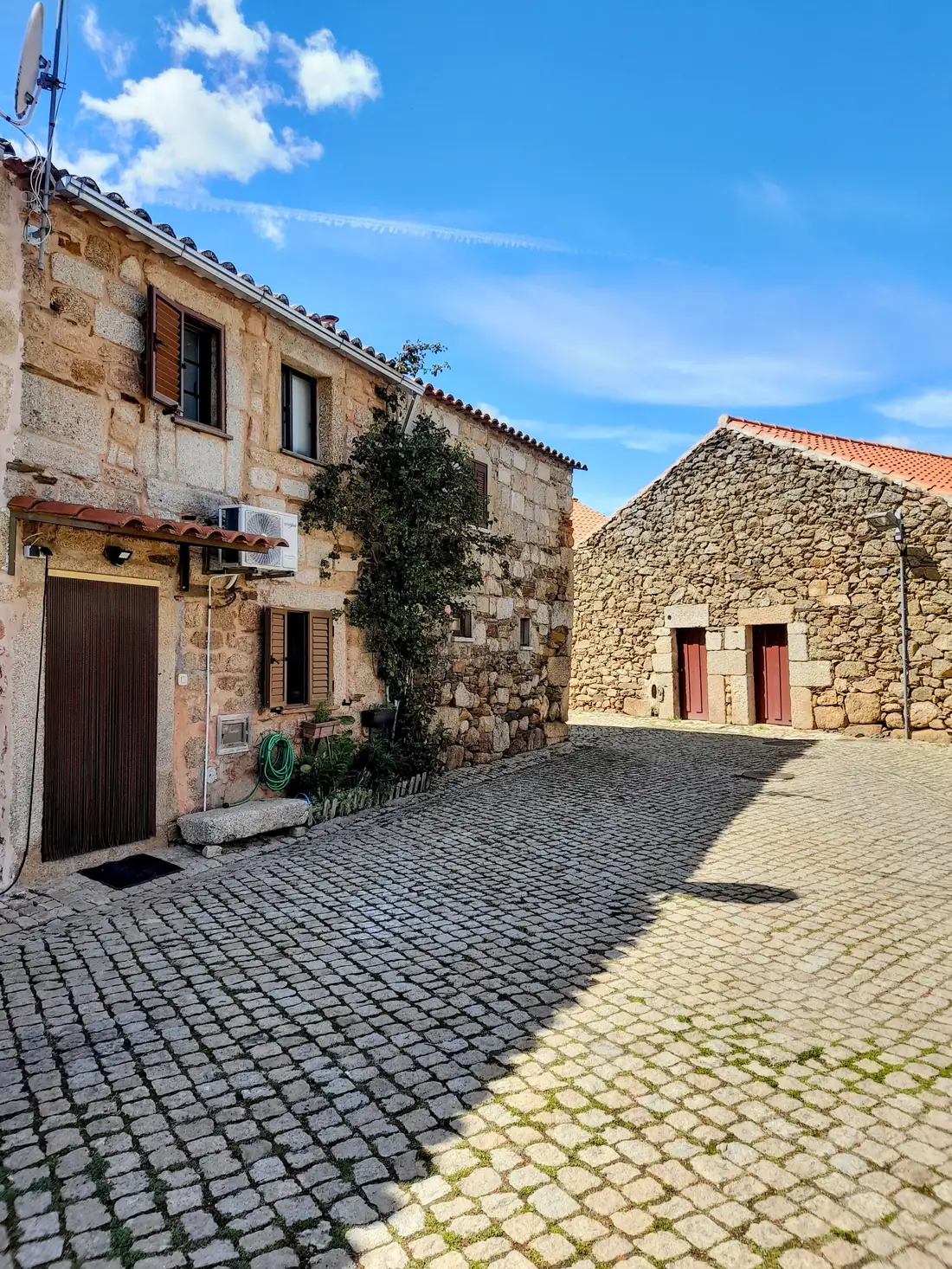
The first edition of the course, in the summer of 2022, moved through Spain and Portugal and centered on three Pritzker-winning architects from the Iberian peninsula: Álvaro Siza, Rafael Moneo and Eduardo Souto de Moura. The route used their built work to ask how regional material traditions - stone, brick, white render - get reinterpreted rather than simply repeated.
Álvaro Siza
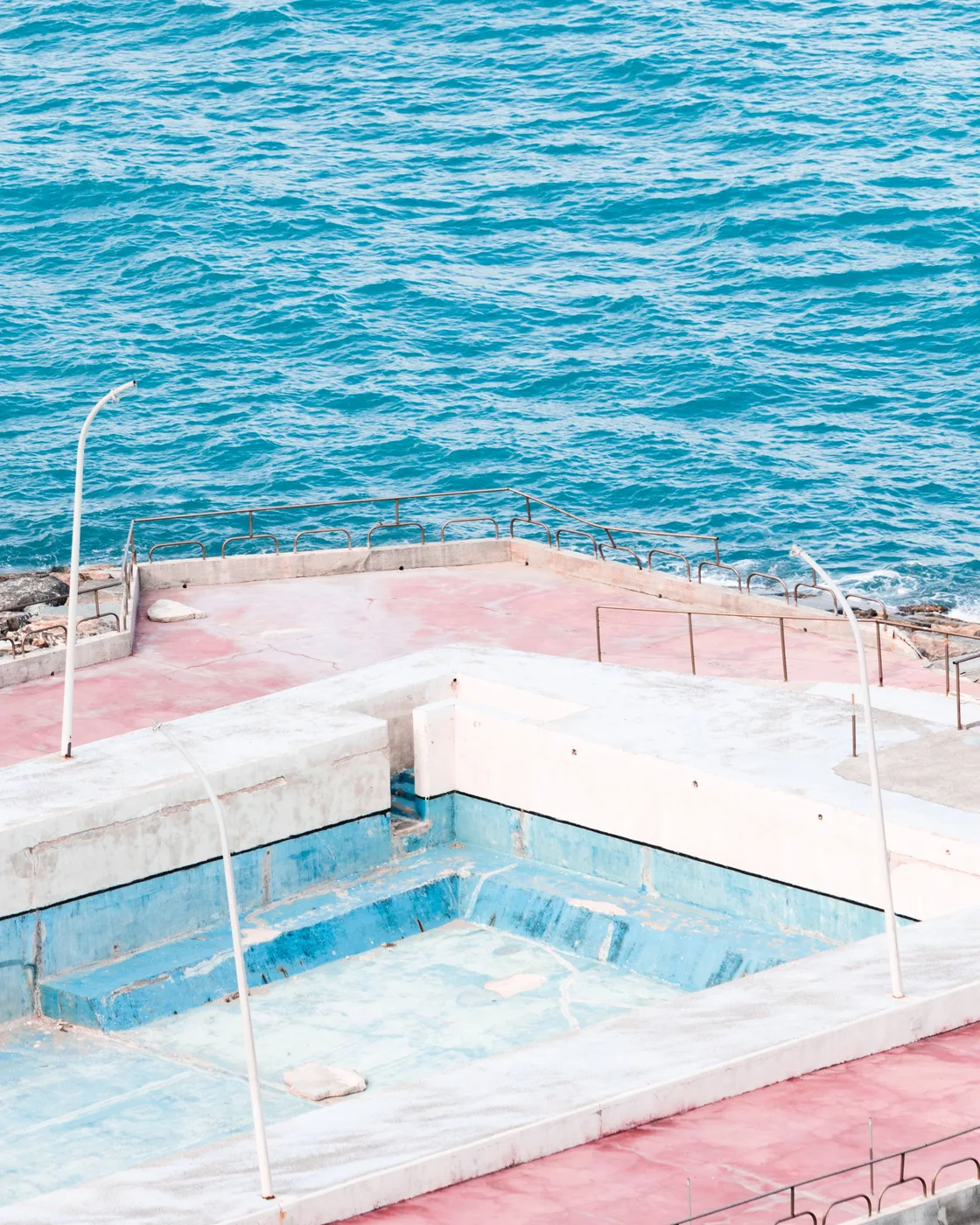
Siza, based in Porto and awarded the Pritzker Prize in 1992, is usually described by critics in terms of how his forms are shaped by light and site, combined with a close attention to local vernacular building. The 1992 Pritzker jury citation specifically praised the way light defines his architecture despite its outward simplicity. His buildings in and around Porto - public pools, housing, museums - are a recurring reference for how modernist form can stay legible as "local" without resorting to literal historical quotation.
Eduardo Souto de Moura
Souto de Moura, who worked in Siza's studio for about five years before opening his own practice in Porto in 1980, won the Pritzker Prize in 2011. His buildings are often read as more minimal and more insistently tied to their specific site than Siza's. The two architects have collaborated directly more than once, including the Portuguese Pavilion for Lisbon's 1998 World's Fair and the 2005 Serpentine Pavilion in London - a useful case for comparing two closely related but distinct design sensibilities side by side.
Rafael Moneo
On the Spanish side of the route, Rafael Moneo - the first Spanish architect to win the Pritzker Prize, in 1996 - represents a more explicitly material-driven approach. His National Museum of Roman Art in Mérida (1986) uses thin brick walls to evoke Roman construction techniques without copying a specific historical building; Moneo has been quoted describing material as more important to him than form. Later Spanish projects, including the Atocha station expansion in Madrid and the Kursaal in San Sebastián, extend this interest in how a new building should (or should not) defer to its surroundings.
Souto de Moura's site instinct, beyond this route
That site-specific instinct shows most clearly in a building outside this particular route: the Municipal Stadium in Braga, in northern Portugal, built between 2000 and 2003 into an old granite quarry on Monte Castro, in time for the UEFA Euro 2004 tournament. One tribune is carved directly into the quarry's rock face and the other is held up on sixteen concrete ribs, with steel cables linking the two across the open pitch (Arquitectura Viva, "Estadio Municipal de Braga," arquitecturaviva.com). It is a useful comparison for readers of this route: where Siza and Moneo work with surrounding streets and historic fabric, Souto de Moura's stadium applies the same attentiveness to raw topography instead.
Materials as the throughline
Read together, the three architects give a useful spread of answers to the same question: how literally should a new building reference the vernacular materials around it? Siza and Souto de Moura tend toward abstraction, Moneo toward direct material reference. See program subjects for how this compares with the other editions' focus on perception and atmosphere, or the Venice and Umbria route for a parallel study of Carlo Scarpa's material contrasts.